REVIVE
About Us
REVIVE: Just Restoration and Equitable Value Chains for Inclusive, Viable Mangrove Ecosystems
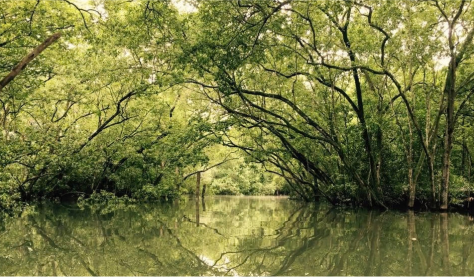
Malaysia’s coastal mangroves are among the world’s most productive blue-carbon ecosystems, protecting shorelines, storing carbon, sustaining fisheries and supporting livelihoods.
Yet major trade-offs remain between restoration, conservation and commercial expansion, especially where restored resources are drawn into unequal value chains.
REVIVE examines how local communities can move from being restoration labourers or passive beneficiaries to becoming active stewards, decision-makers and value-chain actors.
The project also explores how communities imagine the future of mangroves - as places of work, memory, protection, livelihood and ecological repair.
Working across three Malaysian mangrove landscapes, REVIVE combines remote sensing, environmental biology, economics, value-chain analysis
and agent-based modelling with participatory methods including digital photovoice, storytelling and co-production exercises.
Read More
Dominant mangrove restoration models have replanted hectares but treated local communities as low-wage labour, with ecological rents flowing to outside intermediaries.
Structural barriers, including tenure insecurity, weak local institutions, and market exclusion, erode conservation incentives and deepen social inequality.
REVIVE tests a different model that combines genuine community governance with meaningful access to higher-value markets.
Working across three contrasting sites in Peninsular Malaysia, the project generates causal evidence on what makes mangrove restoration both ecologically effective and socially just.
These sites include the globally managed Matang Mangrove Forest Reserve, the community-restored Sungai Acheh and Sungai Chenaam forests in Penang, and the lagoon-estuary Setiu Wetlands State Park in Terengganu.
Read More
The three study landscapes were selected to represent the main types of mangrove systems and management
arrangements in Peninsular Malaysia. This diversity will help test whether the project’s just restoration
approach can be applied more broadly. Site boundaries and areas will be confirmed with relevant authorities and local partners before fieldwork.
If you want them as clickable HTML links, you can use:
REVIVE brings together two things that are usually studied separately: continuing to restore mangrove forests, and helping
local communities earn a fair and lasting income from those forests. Mangroves buffer storms, sustain fisheries and store
large amounts of carbon, yet top-down, science-only restoration has seldom delivered self-sustaining models that balance
climate and biodiversity goals with fair livelihoods. At the same time, the value chains that draw on mangrove resources
often channel most of the financial returns to intermediaries, leaving communities in low-skill roles and facing trade-offs
that can deepen social inequality and accelerate ecological loss. REVIVE responds
to this challenge by developing and testing scalable, evidence-based pathways for “just restoration”.
Read More
Funder: Global Centre on Biodiversity for Climate (GCBC)
Grant Period: April 2026–March 2029
Total Value: £713,683
Malaysia’s Coastal Mangroves
world’s most productive blue-carbon ecosystems
Blogs/Events/News
Latest Updates / Events
Stay connected with the latest updates from the REVIVE project as our team works alongside communities and partners to restore and strengthen mangrove ecosystems. Follow our journey as we explore practical, inclusive, and sustainable approaches to building resilient mangrove landscapes.
View Al PostThe Conversation | Mangrove restoration is becoming big business, but benefits don’t always reach local people
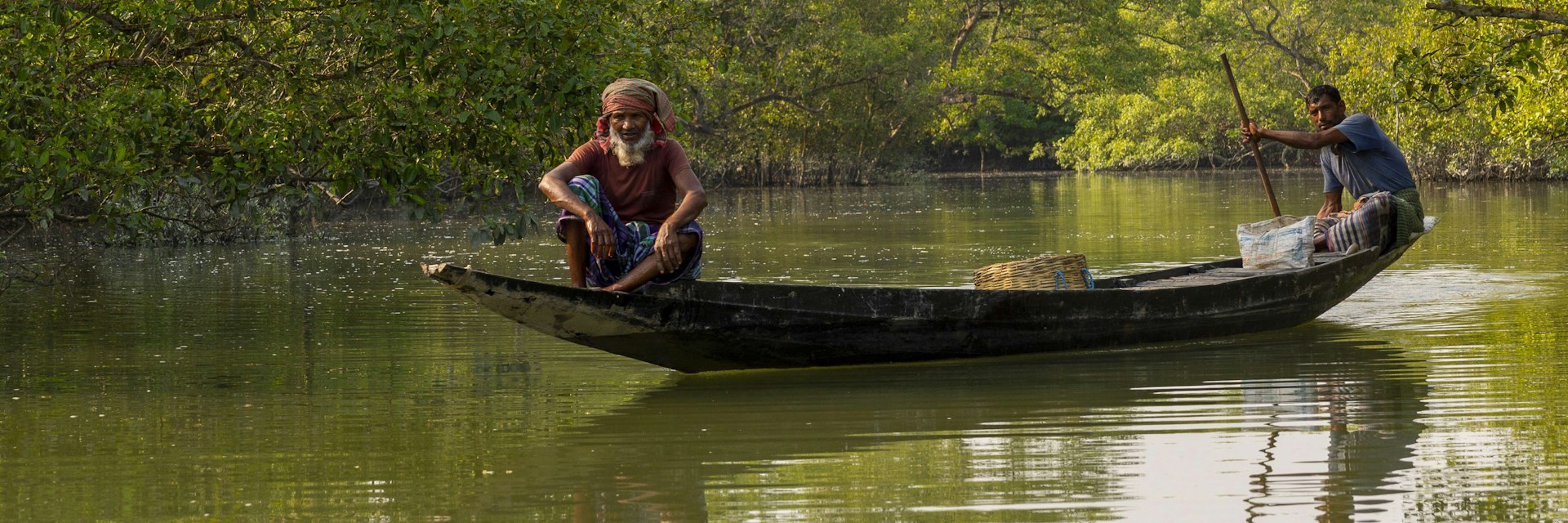
On Pakistan’s Indus delta coast, a 350,000-hectare mangrove project is turning a growing forest into something that can be sold to companies thousands of miles away
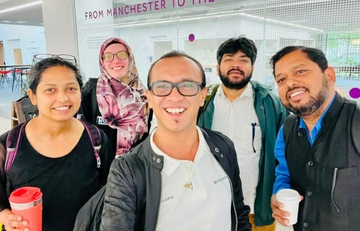
REVIVE Project Kick-Off at the University of Manchester
It was a pleasure to organise the Brainstorming & Project Kick-Off Workshop for our new project: REVIVE: Just Restoration
Biodiversity